
Hearing loss can change over time. Maybe you’ve started asking people to repeat themselves more often, or perhaps the television seems louder than it used to. If your hearing has changed since you were first fitted with hearing aids, you may wonder whether it’s time for a new pair. Luckily, not every change in hearing requires new devices.
Your hearing aids were programmed around your hearing needs when you received them. If those needs change, we can often adjust the programming to provide the right amount of amplification again.
Start With a Hearing Test
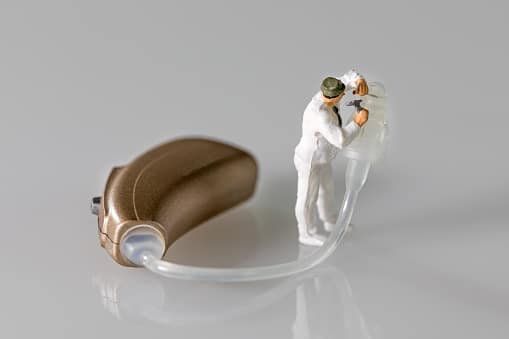
If you suspect your hearing has changed, the first step is to have your hearing evaluated. Our specialists can compare your current hearing levels with your previous results and determine whether your existing hearing aids can accommodate the change.
Sometimes, a simple programming adjustment is all that’s needed.
Modern hearing aids also give you some control over your listening experience. Depending on your model, a smartphone app may allow you to:
- Increase or decrease the volume
- Adjust settings for different listening environments
- Change listening programs
These adjustments can be especially useful when your listening environment changes throughout the day. For example, you may adjust the settings when you move from a quiet Austin library to a busy bar.
When Adjustments Aren’t Enough
There are situations where new hearing aids may make more sense:
- Your hearing loss has progressed significantly. Smaller hearing aids, including ITE, ITC and CIC models, have limits on how much amplification they can provide. If you need more power than your current devices can deliver, we may recommend a BTE or RIC hearing aid.
- Your devices are damaged. Routine repairs can resolve many hearing aid problems, but extensive damage may make replacement necessary.
- Your hearing aids are several years old. Newer models may offer features that weren’t available when you purchased your current devices, including AI sound processing, Bluetooth® connectivity, tinnitus management options and more.
A Change in Hearing Doesn’t Always Mean a Change in Hearing Aids
Before replacing your devices, let us take a look at them. We can test your hearing, check the condition of your hearing aids, clean them and adjust the programming as needed.
If an upgrade is appropriate, we’ll explain why and help you find an option that matches your current hearing needs. Contact River ENT to schedule your appointment.
Sources:
Rigters, S. C., van der Schroeff, M. P., Papageorgiou, G., Baatenburg de Jong, R. J., & Goedegebure, A. (2018). Progression of Hearing Loss in the Aging Population: Repeated Auditory Measurements in the Rotterdam Study. Audiology & neuro-otology, 23(5), 290–297. https://doi.org/10.1159/000492203