
Austin’s summer is marked by fun festivals, great music and sweltering heat. Hearing aids are an excellent tool for making every part of summer more enjoyable; they amplify performers at festivals and help you bond with your friends. Amidst all your summer fun, it’s crucial to keep hearing aid care top of mind to ensure your devices stay comfortable and function well.
How Does the Heat Affect My Hearing Aids?
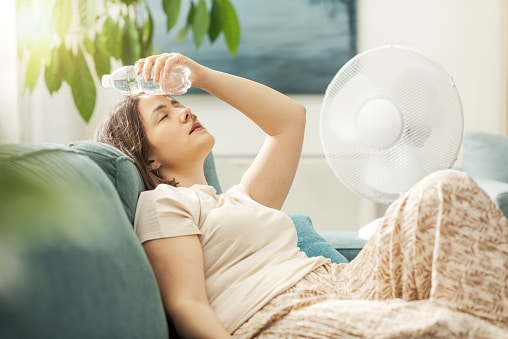
You probably know not to leave your phone or laptop sitting in the car on a 100-degree day; the stifling heat could warp and damage the delicate components of your devices. Well, hearing aids are the same. Excess heat can lead to poor functioning and, potentially, a shorter lifespan.
Beyond heat-related damage, built-up sweat and other dirt from wearing your hearing aids can interfere with sound quality, leading to whistling, crackling or low volume. Additionally, unclean devices can allow bacteria to thrive, increasing your risk of an uncomfortable infection.
Caring for Your Devices for Greater Comfort
An estimated 28.8 million U.S. adults could benefit from hearing aids.[1] A sweaty summer doesn’t have to mean you have to miss out on those benefits due to a constant state of discomfort. The first step in improving comfort is to clean your devices every night. Grab a cleaning kit and do the following:
- Wipe down your devices with a soft, dry cloth
- Grab your wax pick/brush and remove debris and wax from the surface and nooks and crannies of your devices
- Remove tubing and earmolds, if applicable, and wash them with warm water and soap
- Place your tubing and earmolds back on their devices once they’re completely dry
- Run a vent cleaner through the vents
- Clean or change wax filters
After you clean your devices, place them in a specialty drying jar or electric dehumidifier. Drying your devices nightly will make them more comfortable during the day and prevent built-up moisture from causing damage.
For more information on caring for your hearing aids or to schedule a professional repair & service appointment, reach out to one of our specialists at River ENT today.
[1] National Institute on Deafness and Other Communication Disorders. (n.d.). Quick statistics about hearing. U.S. Department of Health and Human Services. https://www.nidcd.nih.gov/health/statistics/quick-statistics-hearing